Cloud gaming services—such as Xbox Cloud Gaming, NVIDIA GeForce Now, and Amazon Luna—are fundamentally decoupling a smartphone’s performance from its internal hardware. By offloading graphics rendering, physics processing, and storage to remote data centers, smartphones no longer need massive local computing power to run AAA PC and console titles.
CoderClick
This paradigm shift is changing how mobile devices are designed, marketed, and utilized.
1. Shift in Mobile Hardware Priorities
Because processing happens in the cloud, the internal SoC (System on Chip) no longer dictates whether a phone can run high-end games. Hardware emphasis is shifting toward display technology, connectivity, and audio:
Wccftech
- Display Quality Over Local GPU: Manufacturers are prioritizing low-latency display panels, higher touch-sampling rates, and high refresh rates (120Hz–165Hz) paired with high peak brightness.
- Advanced Networking Chips: Wi-Fi 7 and multi-band 5G/6G modems are becoming crucial for maintaining jitter-free, low-latency data streams.
- Decoding Hardware: Mobile processors are integrating dedicated hardware decoders for modern streaming codecs (like AV1 and VP9) to play 4K high-bitrate video streams smoothly without overheating. Wccftech
2. Democratization of Mobile Gaming
Historically, playing graphically demanding games required an expensive flagship smartphone, a dedicated gaming handheld, or a console. Cloud gaming levels this playing field:
Wccftech
- Hardware Independence: A $200 mid-range device with a strong internet connection can stream the exact same AAA title at ray-traced settings as a $1,200 flagship.
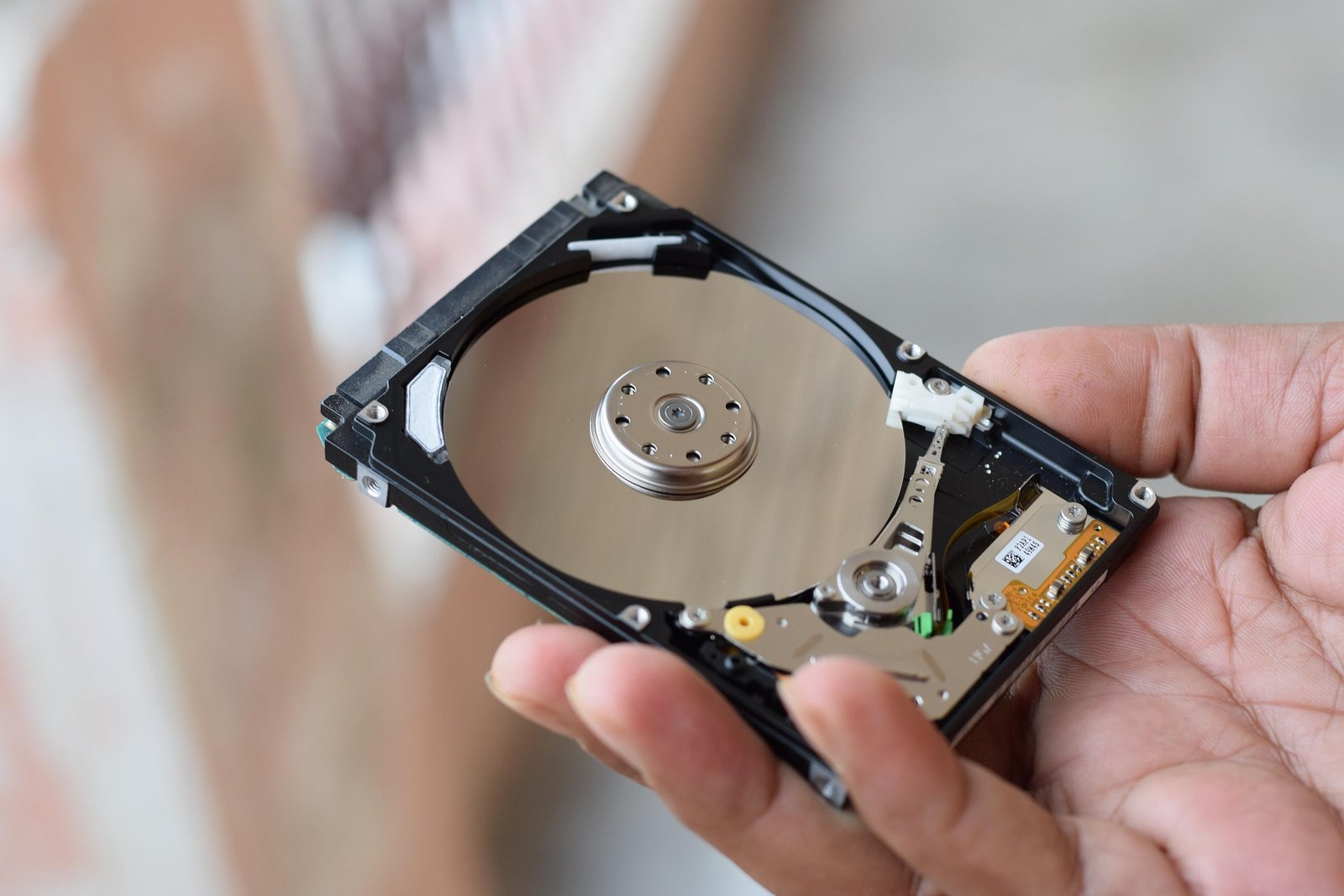
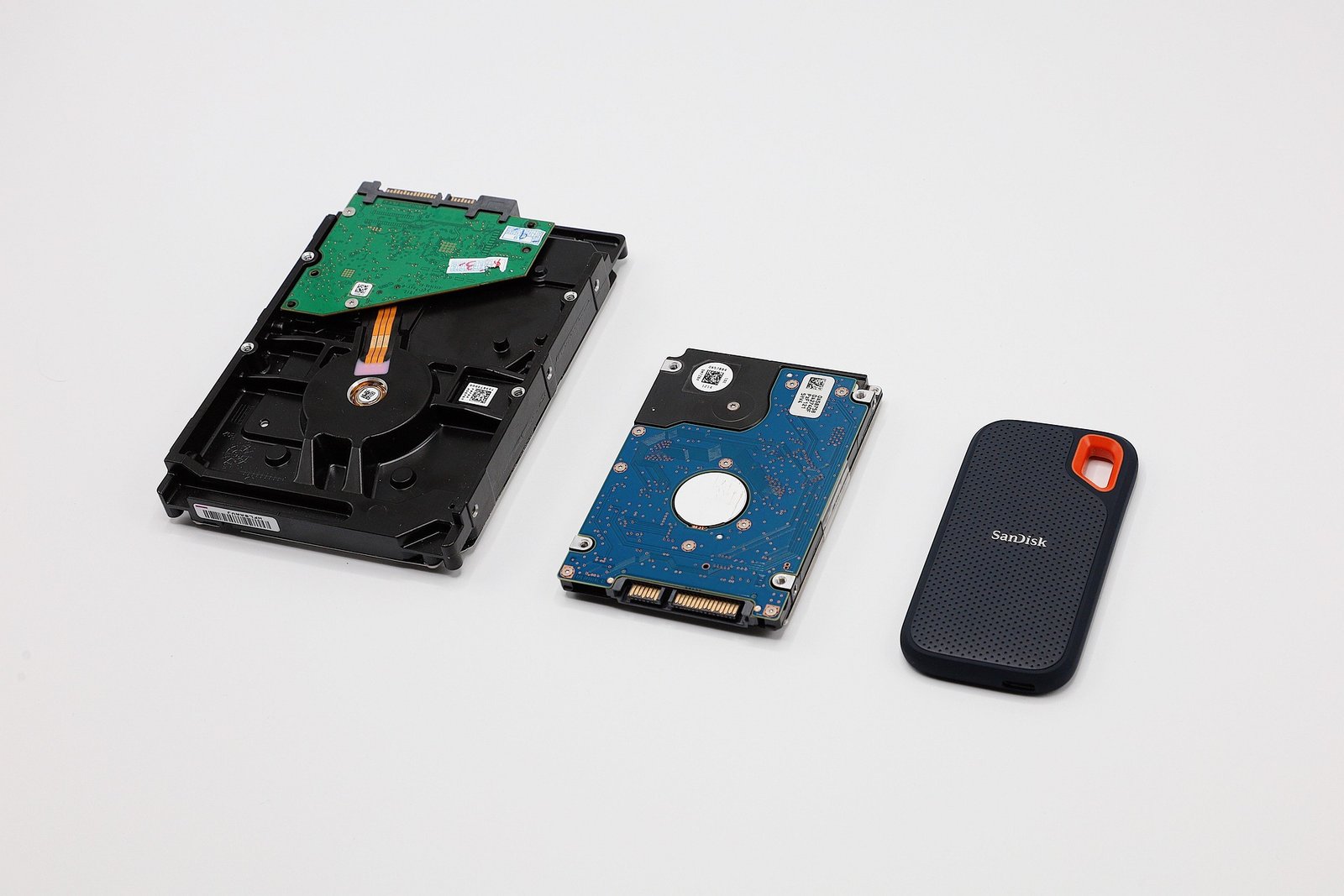
- Zero Storage Overhead: Modern PC games often exceed 100GB to 150GB. Cloud gaming eliminates local installation requirements and long download/patching times. Wccftech
3. Redefining Battery Life & Thermal Management
Local 3D rendering places heavy loads on the phone’s CPU and GPU, causing rapid battery drain and thermal throttling.
- Lower Power Consumption: Video stream decoding uses significantly less power than rendering 3D graphics natively.
- Sustained Performance: Because internal chips generate minimal heat during video playback, smartphones maintain peak performance without thermal throttling or screen dimming during long gaming sessions.
4. Evolution of Mobile Accessories & Form Factors
Cloud gaming is accelerating changes in mobile form factors and peripheral design:
- Snap-On Controllers: Ergonomic controllers (like the Backbone One and Razer Kishi) convert standard smartphones into dedicated cloud consoles.
- Foldable Displays: Foldable smartphones (book-style and flip) benefit heavily from cloud gaming, transforming into widescreen tablet-sized displays without thermal bottlenecks.
Comparison: Native Mobile Gaming vs. Cloud Gaming
| Aspect | Native Mobile Gaming | Cloud Gaming on Mobile |
|---|---|---|
| Hardware Requirement | High-end GPU, CPU, and heavy RAM | Basic processor + hardware video decoder |
| Storage Impact | 10GB – 100GB+ per game | 0 GB (Only requires the platform app) |
| Primary Bottleneck | Local thermals, SoC limits, battery | Network bandwidth, latency, and Wi-Fi/5G stability |
| Battery Consumption | Heavy (rapid drain from 3D rendering) | Low (similar to streaming HD video) |
| Offline Playability | Yes | No (Requires continuous broadband/5G) |
The Main Barriers: Network Infrastructure & Latency
Despite its advantages, cloud gaming’s primary limitation is network infrastructure. It relies heavily on low latency (ping) rather than just raw download speeds. Packet loss, unstable 5G coverage, or congested home Wi-Fi can lead to input lag and video artifacting, making fast-paced competitive shooters challenging on mobile connections.
Grand View Research+ 1
XML
<ElicitationsGroup message="Where would you like to go next?">
  <Elicitation label="Best cloud gaming accessories for mobile" query="What are the best mobile controllers and accessories for cloud gaming on Android and iPhone?" />
  <Elicitation label="Xbox Cloud vs. GeForce Now on mobile" query="Compare Xbox Cloud Gaming and NVIDIA GeForce Now for mobile devices in terms of performance, price, and game library." />
</ElicitationsGroup>